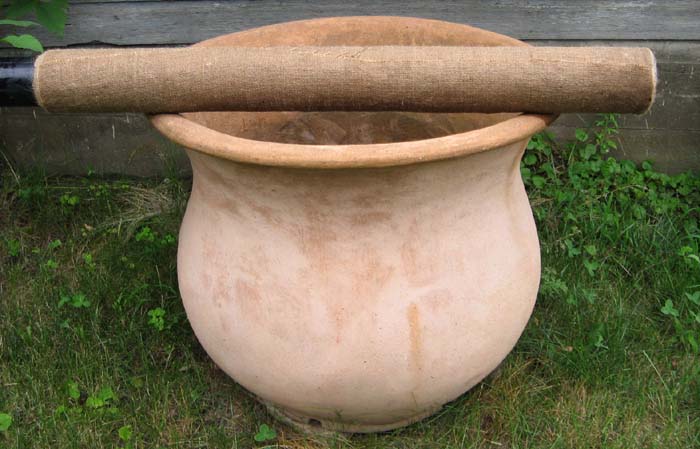
March 24, 2017 ... Experience of time has passed. Use chicken wire between two layers of fabric. Slightly see through muslin rinsed of sizing is better than Burlap. Read the other sections for construction techniques explored.
The original problem focused on improvement of shelter for the rural poor, who account for approximately seventy percent of the total poor, this has been expanded to include urban poor and disaster relief. Emergency shelter for disasters, natural or human made, is an additional aspect. Intriguing new micro business inventions using these materials for potable and warm water sprang synergistically from friendships developed while repairing a water system for an orpanage in the Bahamas. Results of planned work with new cementicious materials will also be completely shared and can be found in the roof lab section of ferrocement.com
Shelter is a need shared by all, it defines a basic right of life as important as clean air, water, warmth and the conscious idea of freedom to enjoy planet earth. This manual is a humble effort to counter the trillions spent on war instead of health, education, happiness and innovative sheltering. Master artists who build giant bamboo temporary art happenings, and others, have proven this work is scaleable to hospitals, schools, and other large public spaces. Shelter from these materials will cost about 1/3 that of a set up emergency tent, per area unit.
Relief of the tension associated with the natural human need for shelter will provide a countervailing incentive for those tempted to move to already overburdened population centers. The positive effect of establishing secure and comfortable housing in rural areas is increasing steadily because many urban areas have reached a tipping point; small additions to the population can cause large disruptions in already strained available services. Thus, relief of the housing shortages experienced by the rural poor achieves the double impact of reducing tensions in urban centers as well as the rural countryside.
Assistance to the rural poor as discussed here is more than an idealistic or utopian dream regarding superiority of rural life to urban. This reasoning follows medical concepts and involves attention to the chronic conditions of the rural poor as well as the urban ghettos they often migrate to; the idea is to examine, diagnose and treat a chronic condition before it becomes an overwhelming emergency. Melding medical and economic reasoning yields the diagnosis that primary direct costs of substandard urban ghettos is negative productivity; this is an infectious source of illness and civil strife. Poverty is a contagious and chronic social ill no individual can isolate themselves from. On the positive side, it can be cured.
A rapid increase in available shelter of sufficient artistic quality to foster pride of place is a keystone solution to the tensions which divert the attention of human intellect from large problems that could cause human extinction, sooner than later. Humanity has been subject to cycles of boom and bust experienced by other life forms and has now reached a point where a sustainable culture must be established to ensure further progress as well as specie survival. Techniques to employ the rural poor with the creation of modern shelter and sanitation will eventually grow to include many large, newly established urban areas which have proven ultimately unsatisfying and are a well known source of disease and discord capable of disrupting the greater metropolitan area.
